

Info
Vegusto B2B
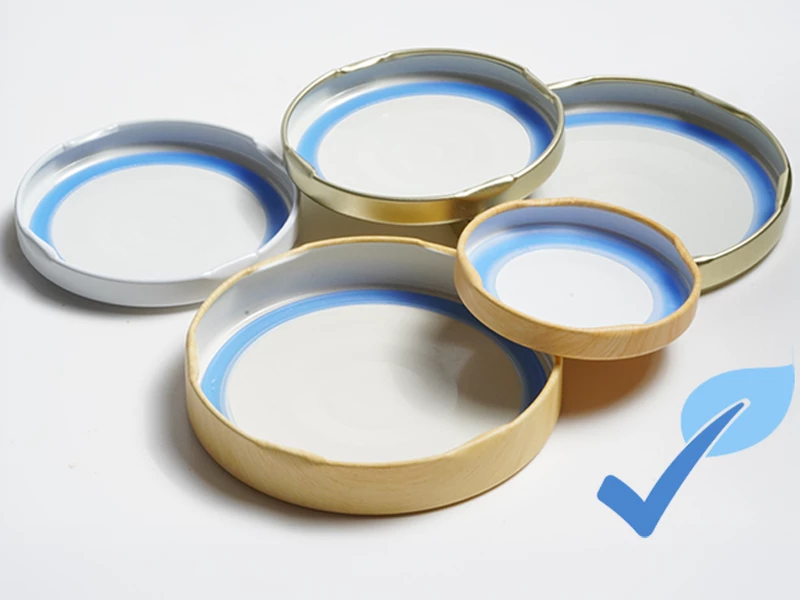
Ever noticed the blue ring on the inside of some screw-on lids?
This ring is the seal, and a blue seal is more than just a difference in colour.
It's the guarantee of a PVC- and BPA-free lid seal.
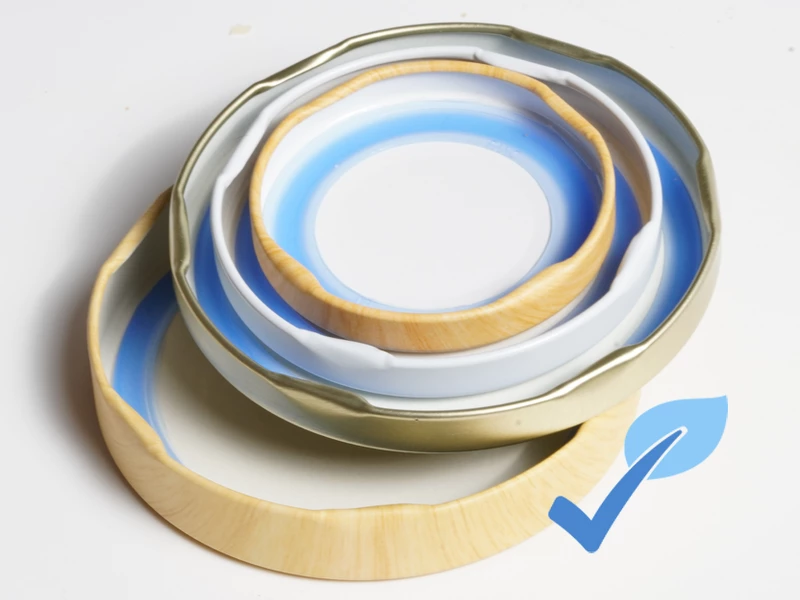
As is so often the case in the industry, the answer is “efficiency”. Conventional lids contain plasticizers, which allow them to be sealed safely and effortlessly by lid-sealing machines at almost any temperature.
The plasticizer-free “blue” lids, on the other hand, have to be preheated, which naturally makes processing a bit more elaborate.
And we at Vegusto also had to practice quite a bit before we mastered working with the “blue lids” without plasticizers.
For jars from the supermarket (the industry calls them twist-off jars/closures) to seal tightly, the inside of the lid contains a thin layer of plastic. In conventional products, this layer contains plasticizers and PVC that are harmful to health and the environment. These substances can migrate from the seal into the product, especially with fatty foods such as pesto or vegetables preserved in oil.
Conventional jar lids like these can easily be recognised by the whitish colour of the inner ring.
Jar lids with a blue seal, on the other hand, contain no harmful substances. These are so-called Blueseal® lids made by the German company Pano, whose lids are unique on the market. Their lids contain no plasticizers, no BPA and, of course, no PFAS!
The blue ring on the lid therefore indicates that the lid of the jar does not contain any plasticisers or other harmful substances.
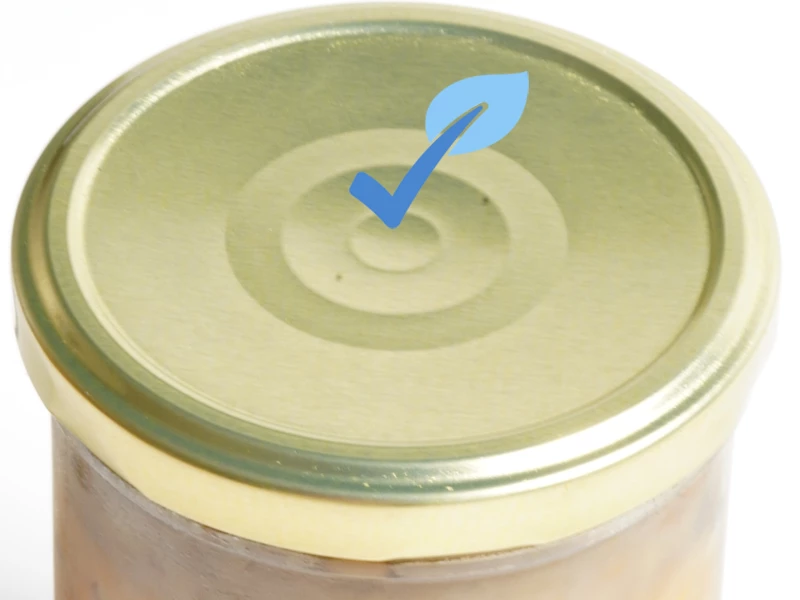
Twist-off jars and lids are actually well suited for reuse. Simply pour the hot filling into the jars and tighten the lid only lightly. This softens the sealing compound, and after a few seconds you can tighten it more firmly.
Caution: the jars will be hot, so we recommend using a cloth.
Then let the jars cool at room temperature. If the “button” on top of the lid has been pulled inward, a vacuum has formed and the jar is sealed.
Store the jars in the fridge.



 :
:
 Redeem promo code here.